The challenge
Making investment information understandable
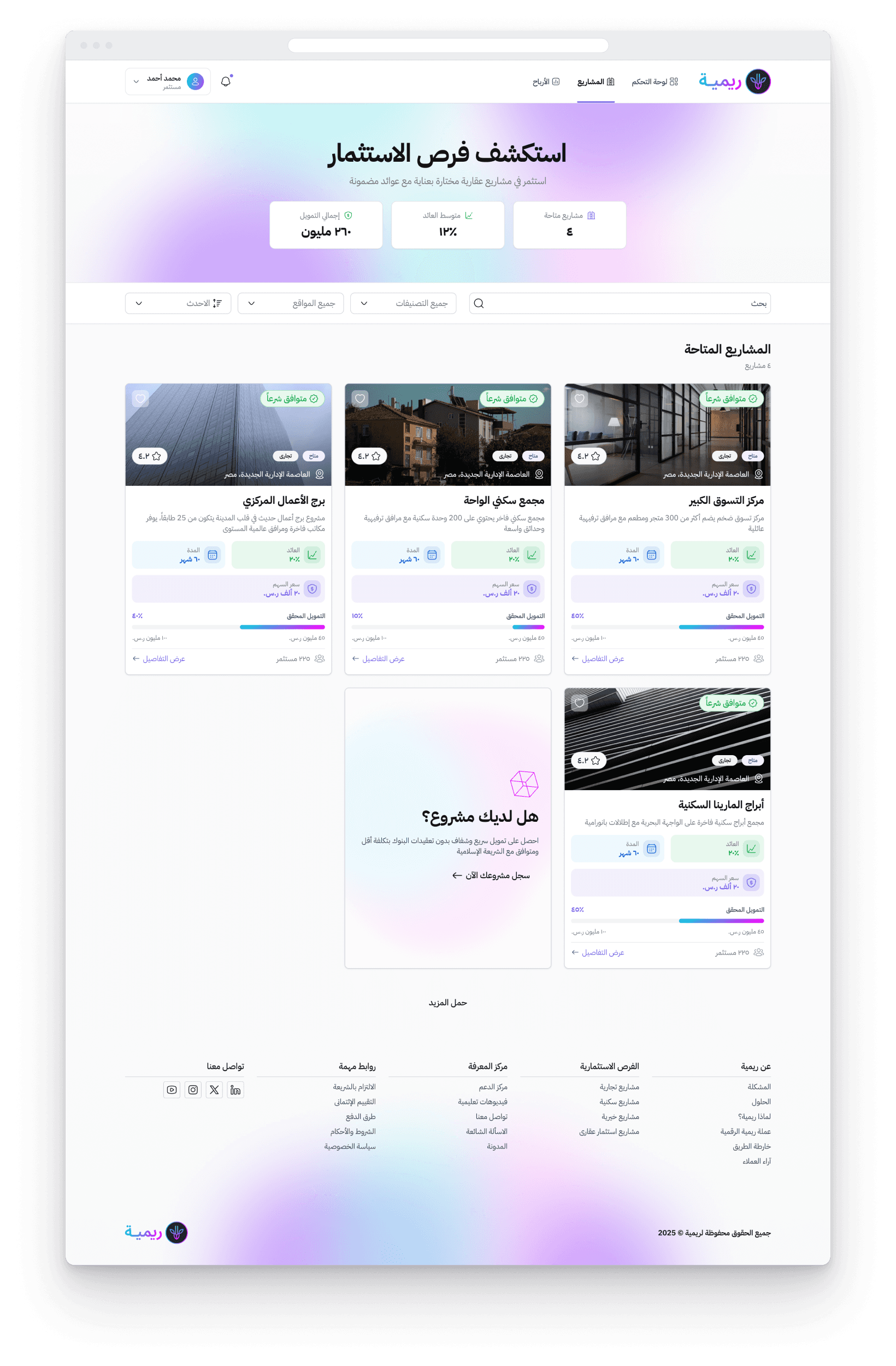
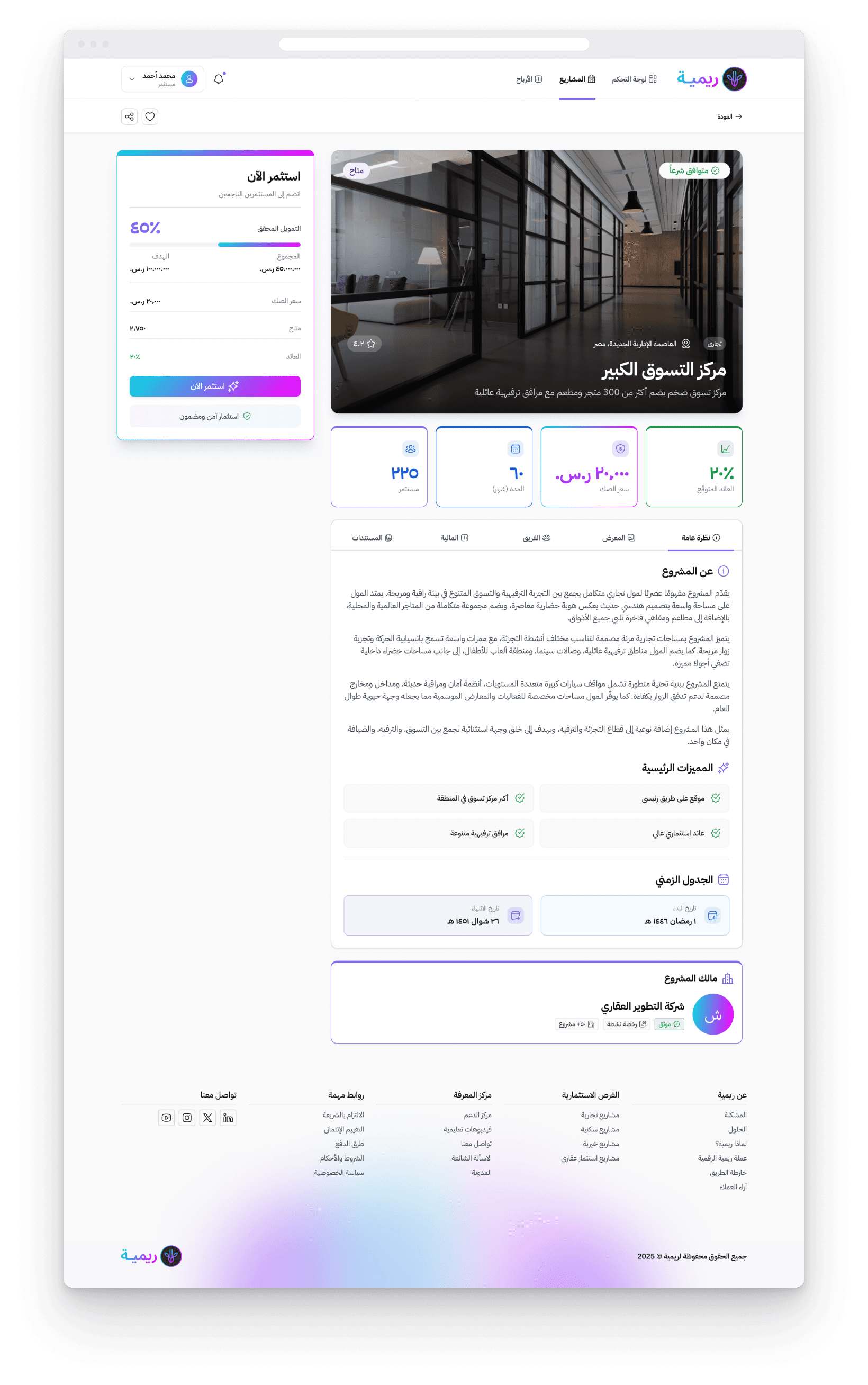
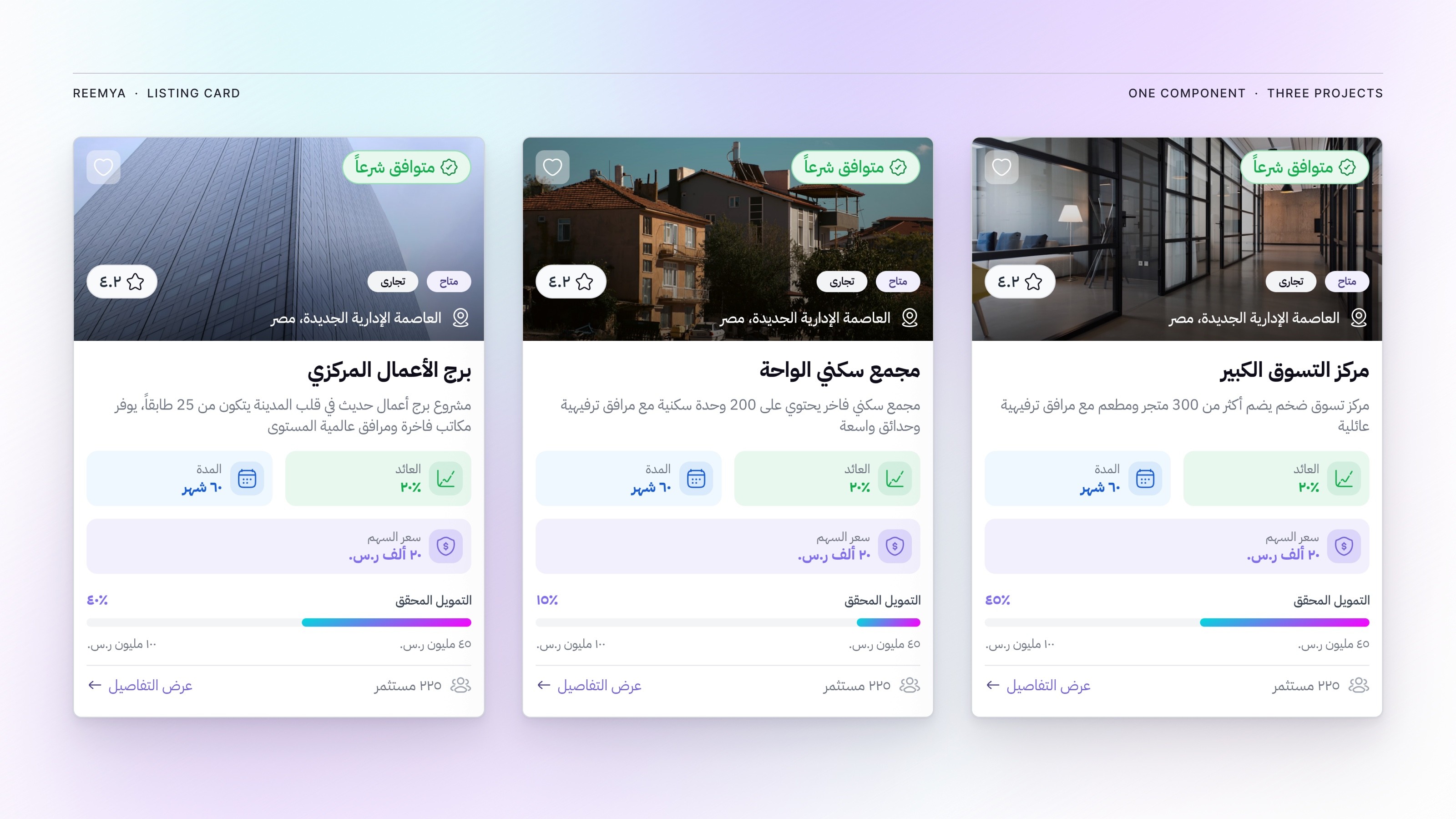
Reemya’s brief was to make property investment understandable for Arabic-speaking investors, with a separate view for property owners. The design needed plain language, project details an investor can check before committing, and a buying flow with room to think.
The approach
I designed the product in Arabic first, using shared components for investor and owner workflows. The design system supports reading direction, themes and responsive layouts.

The experience
Clear investment language
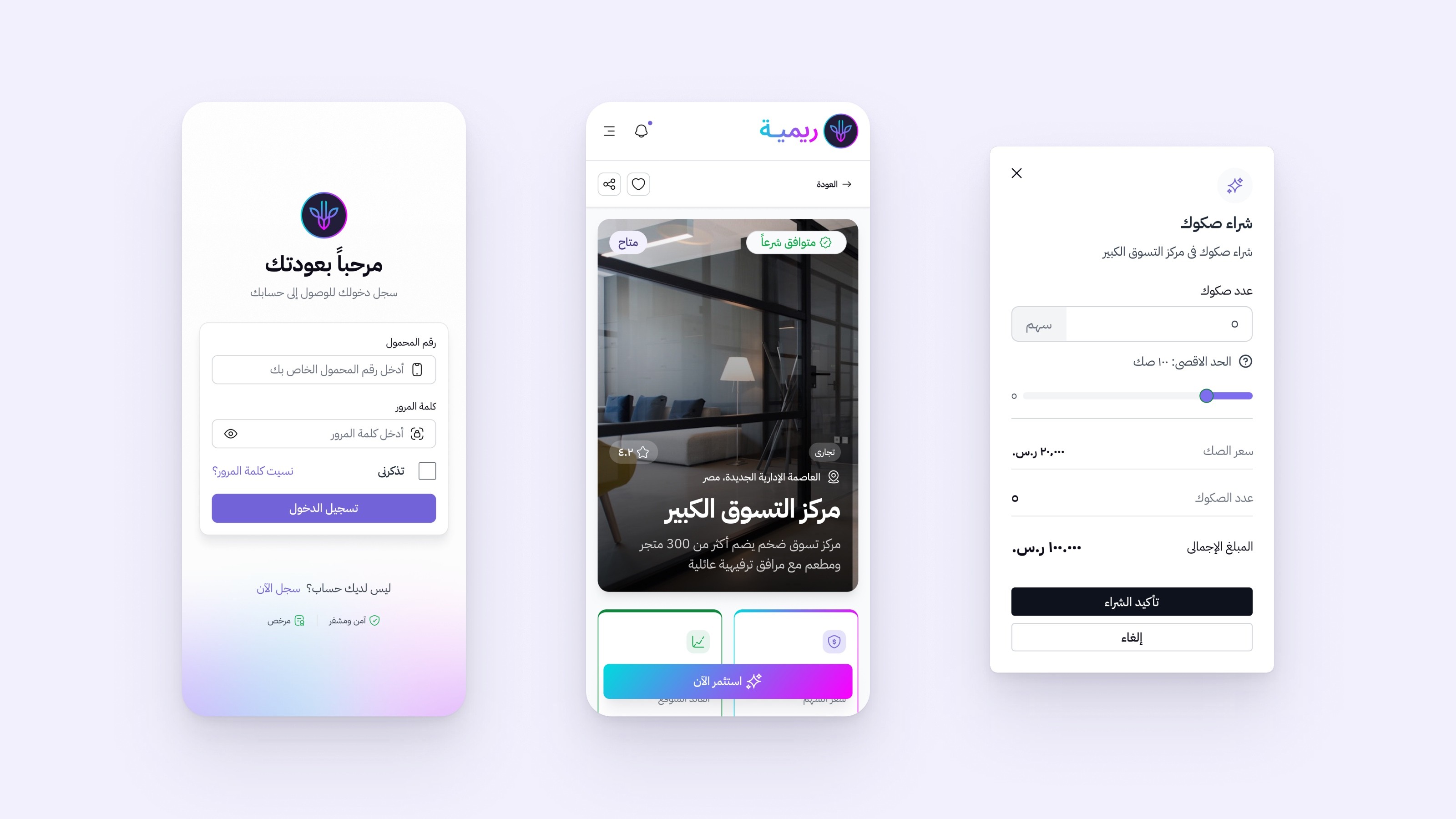
The buying path uses the language of Sukuk, shares, price and return. A purchase modal brings the amount, total and confirmation together, with payment made by bank transfer.

Supporting documentation
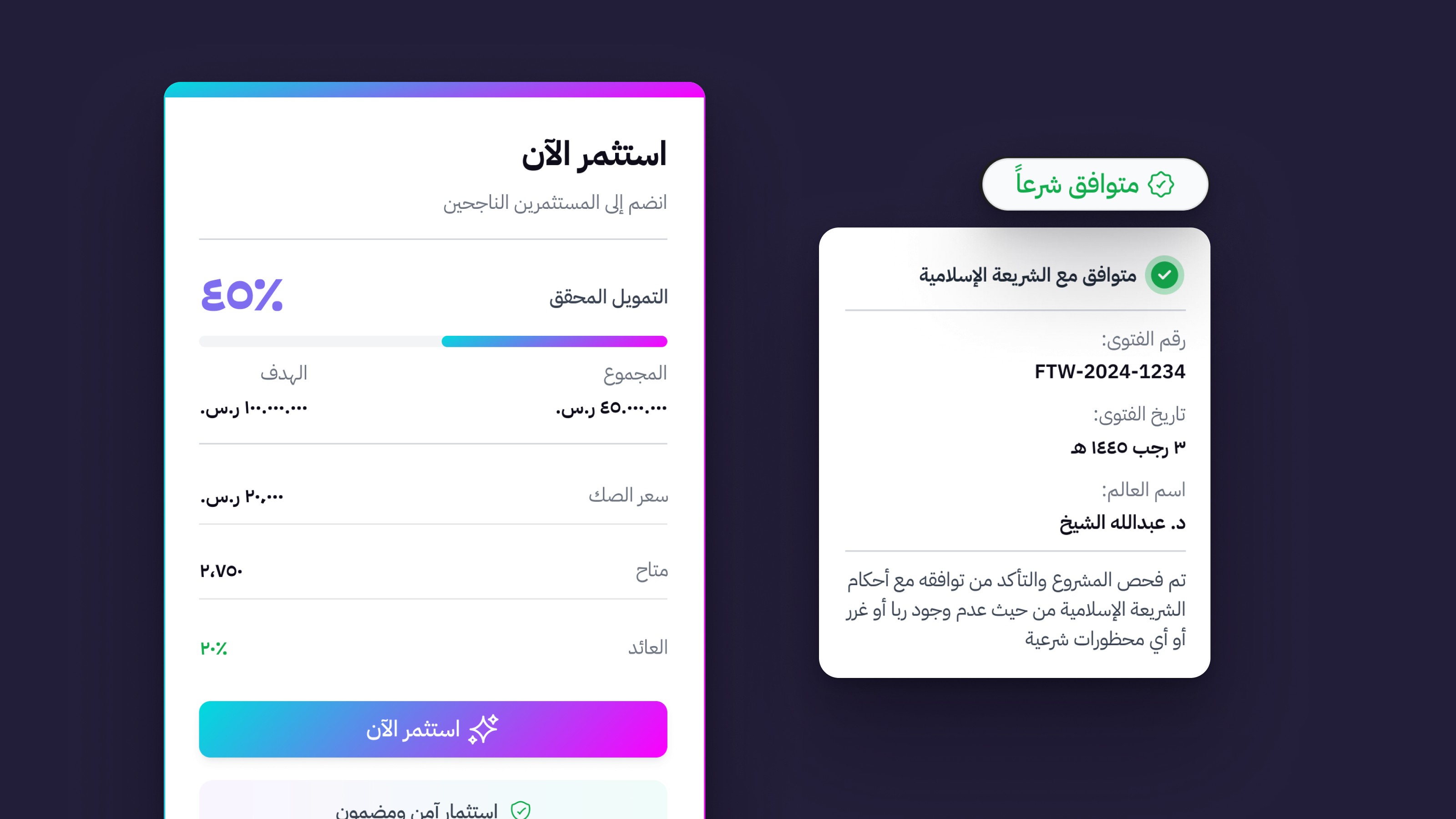
A project badge opens its supporting documentation, including a reference, date, scholar and explanation of what was reviewed. The interface makes that material available for inspection.
A view for each role
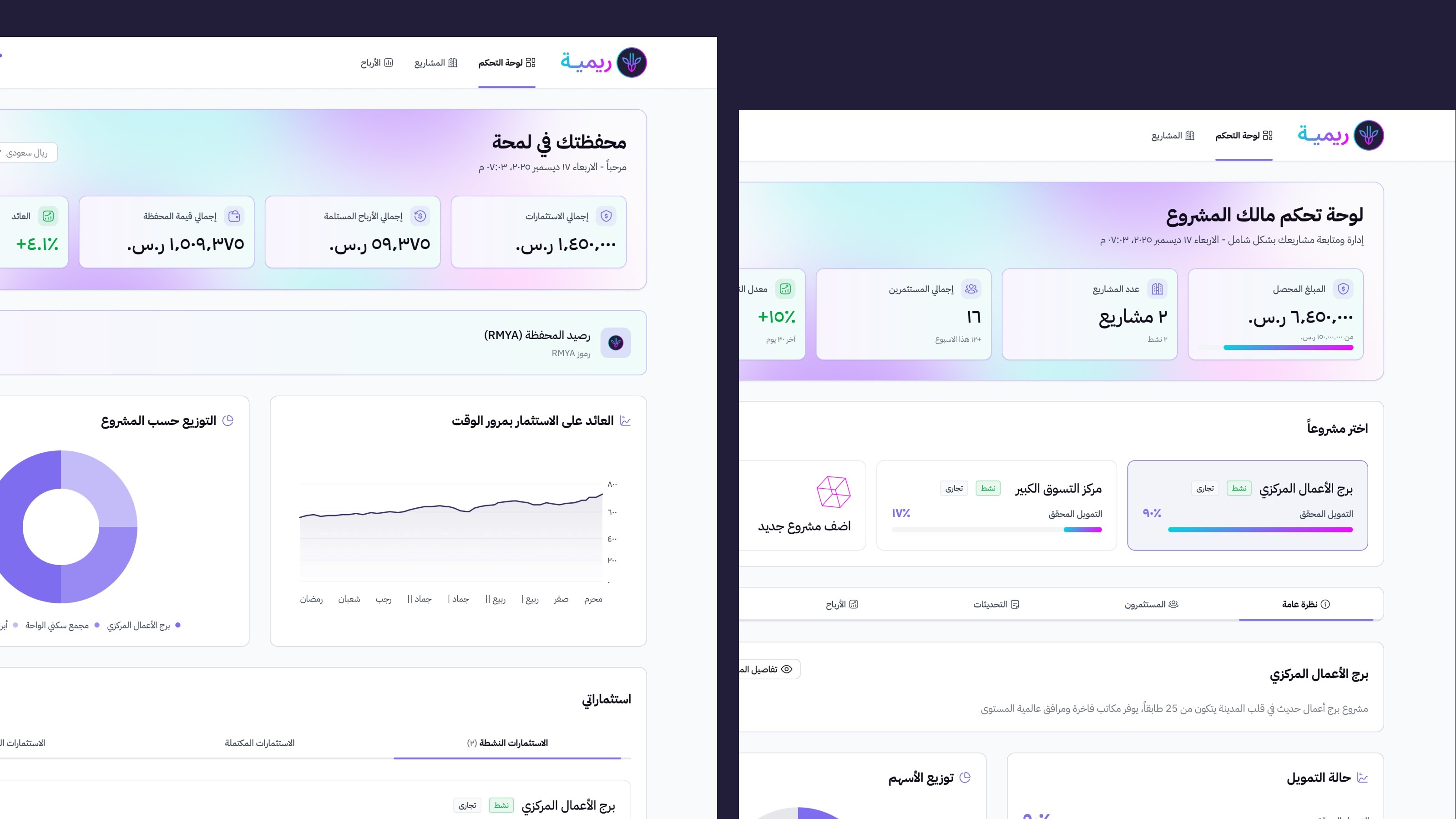
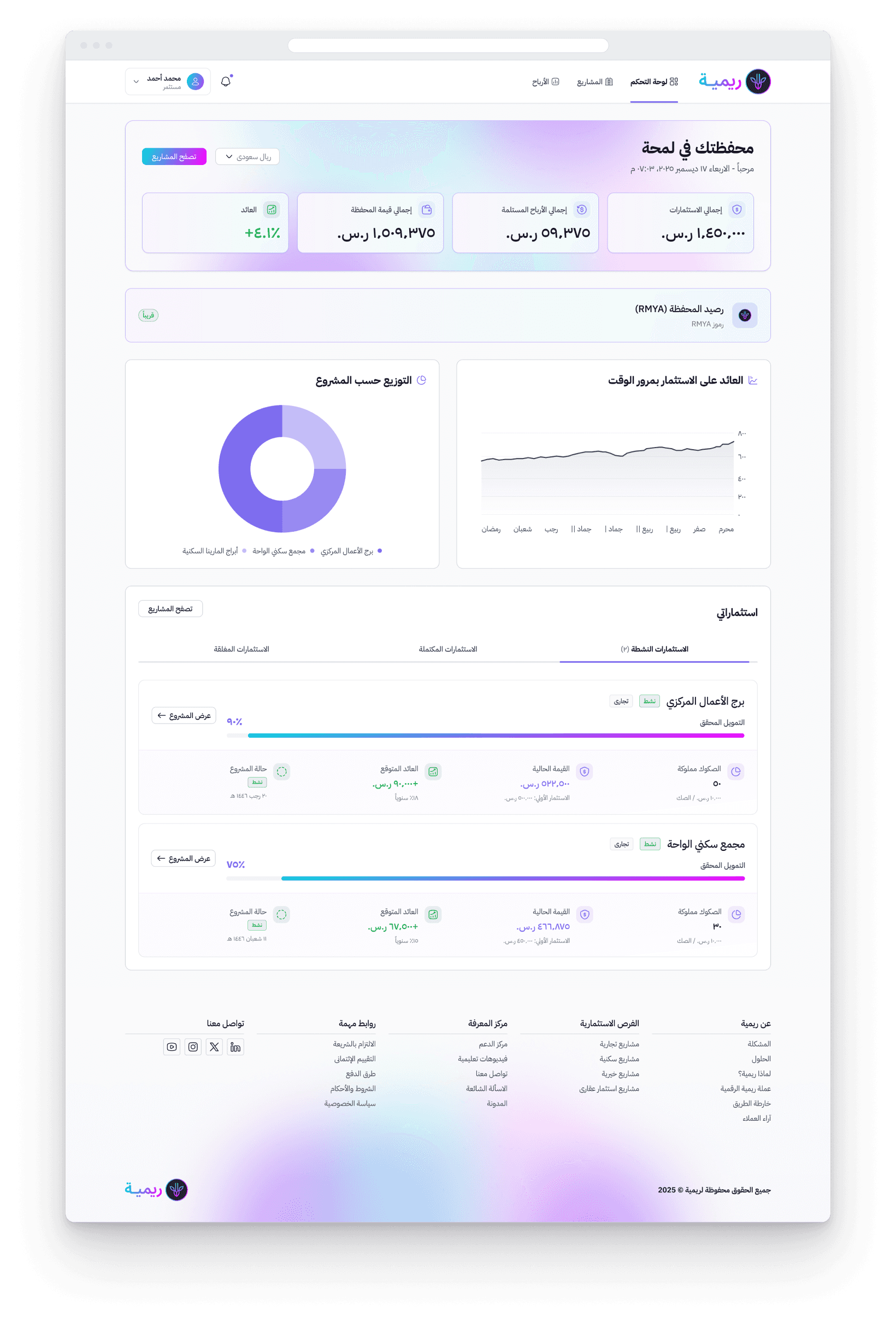
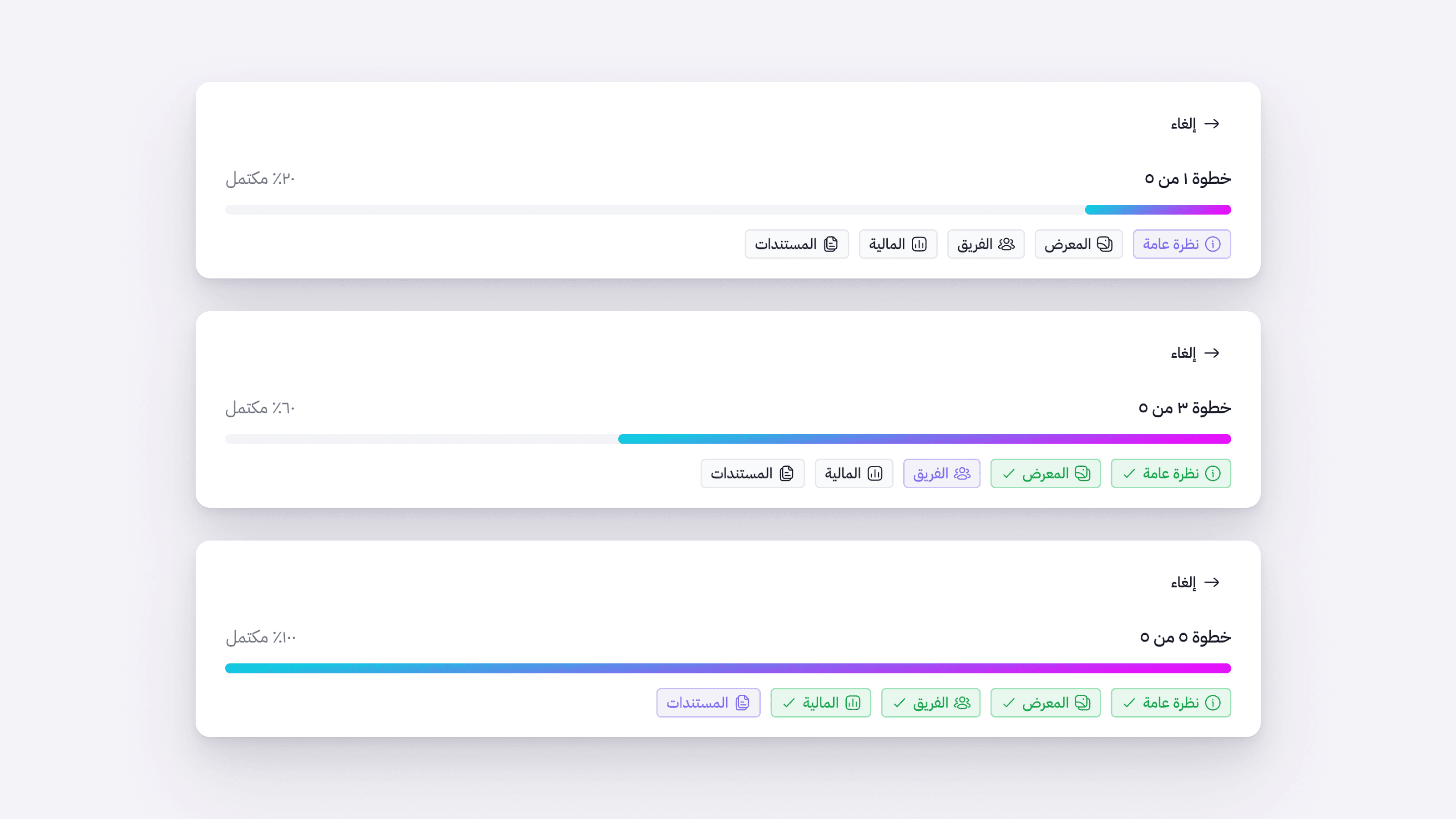
Investors begin with their portfolio. Property owners begin with fundraising, investors, updates and analytics, with a guided flow for adding a project.

The design system
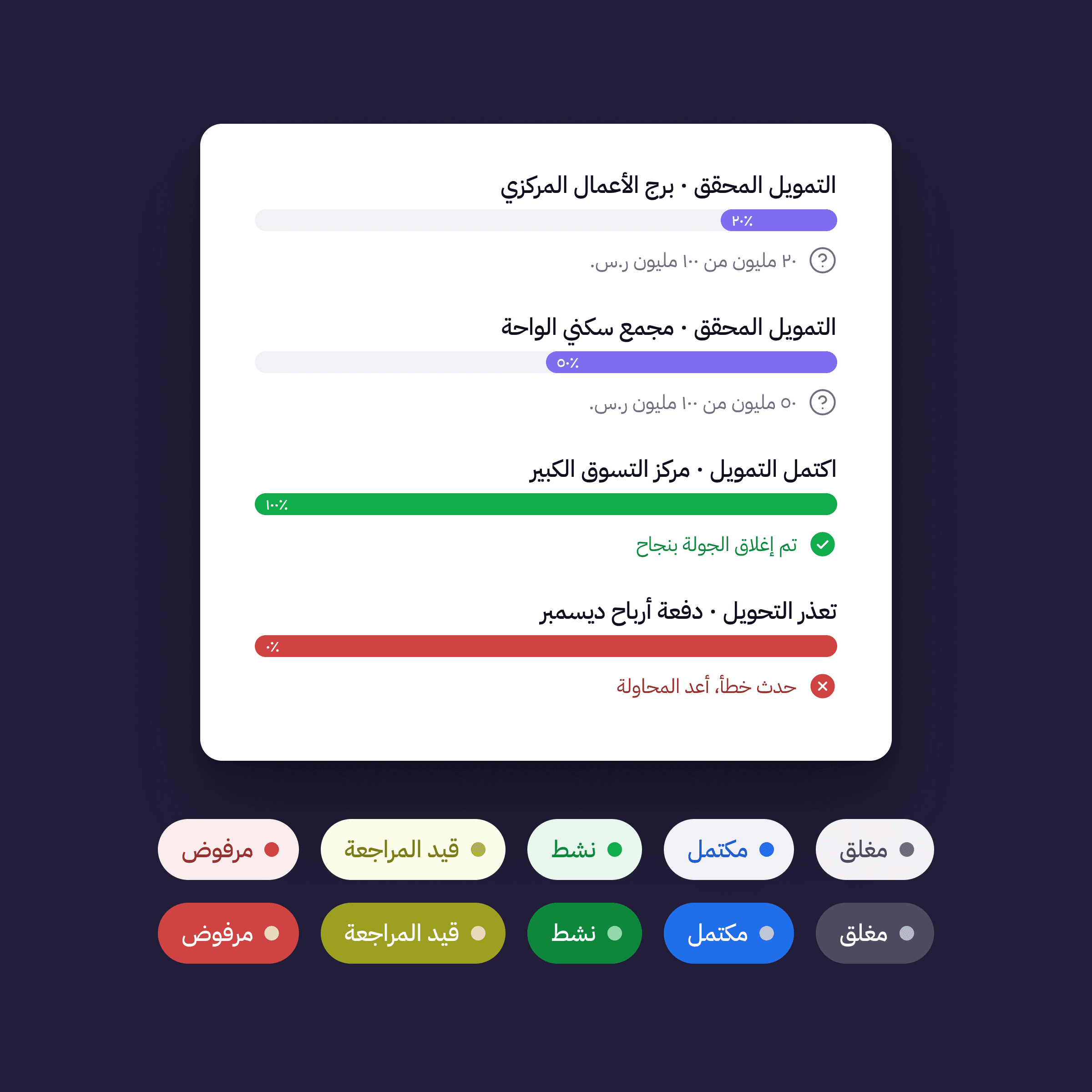
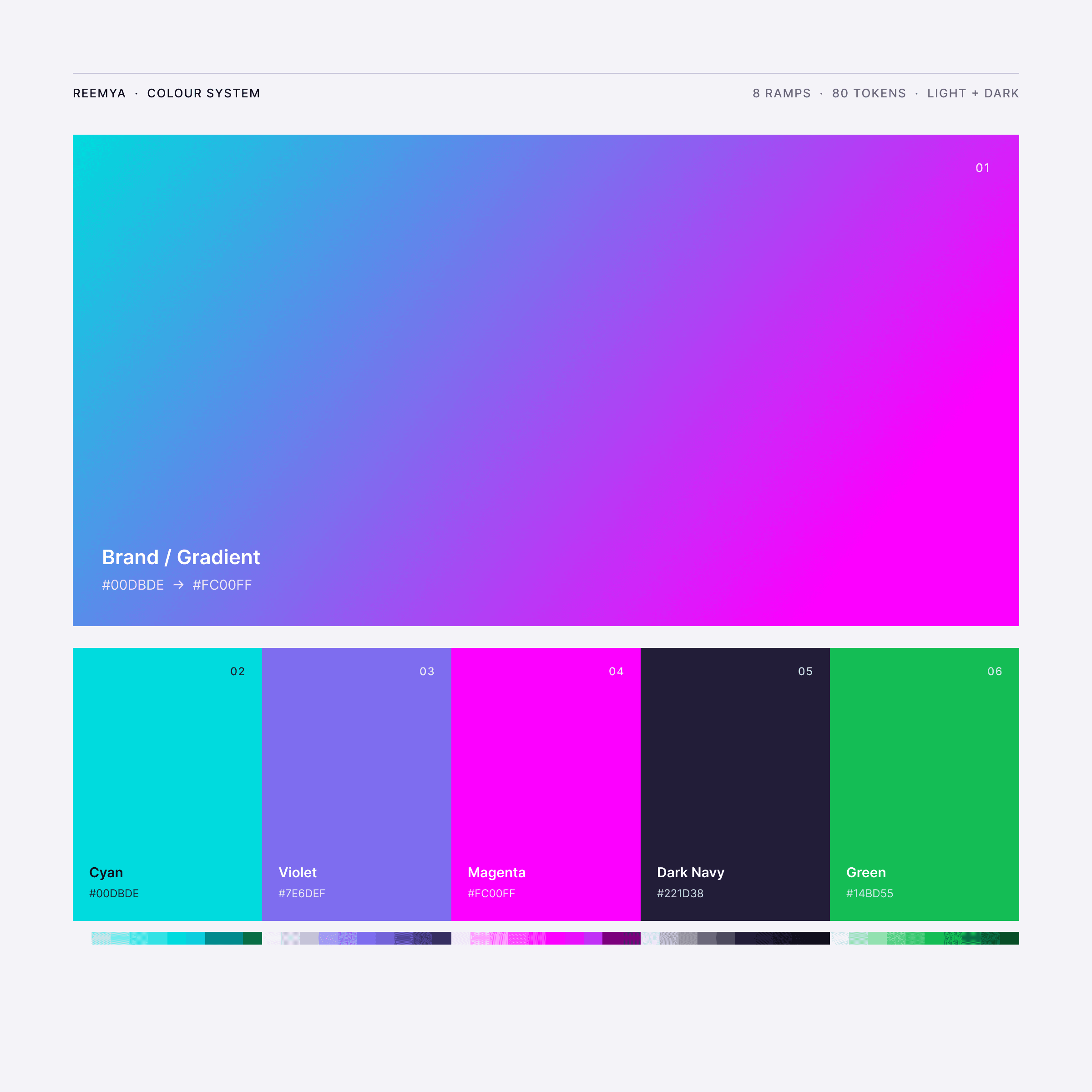
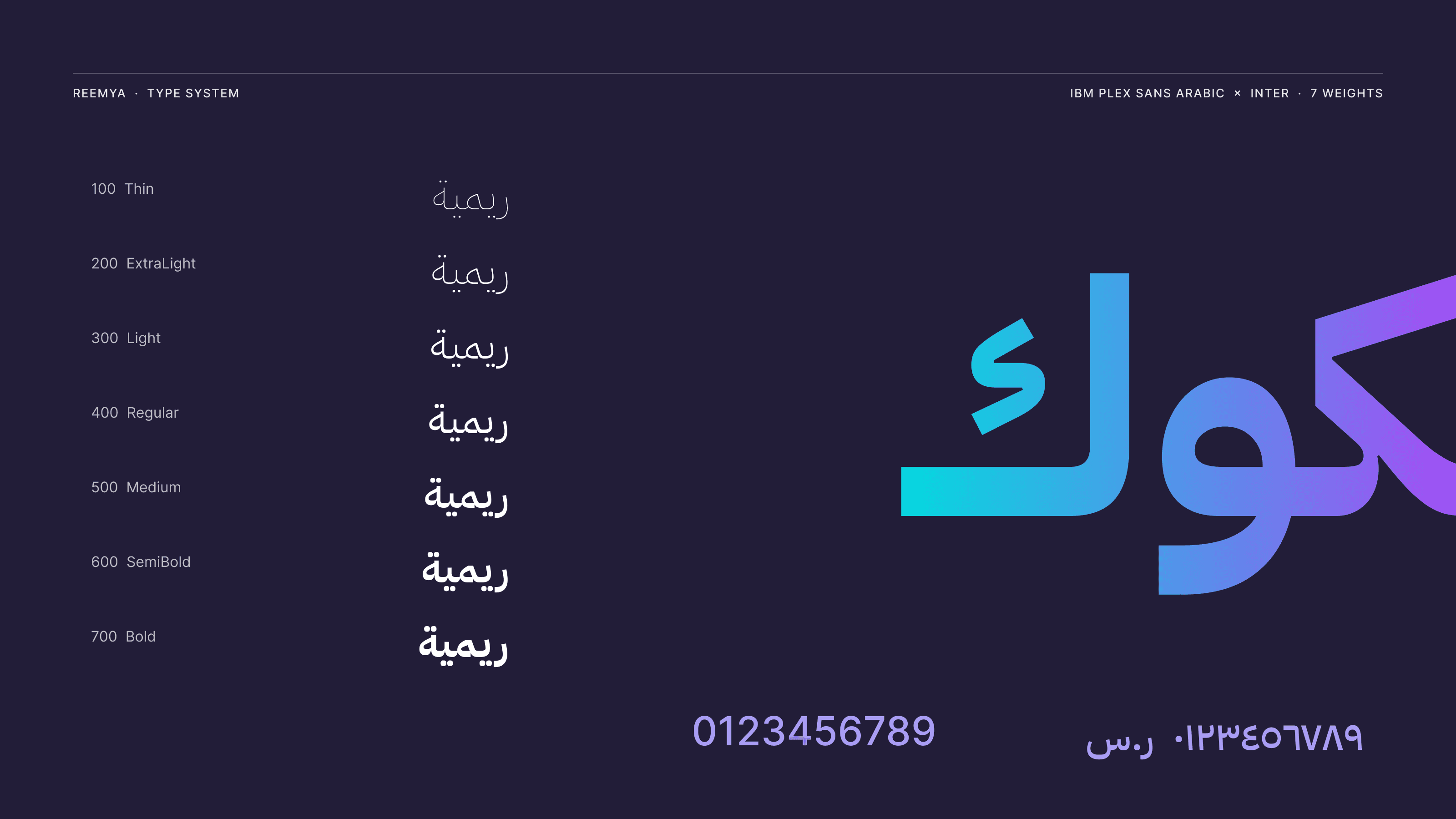
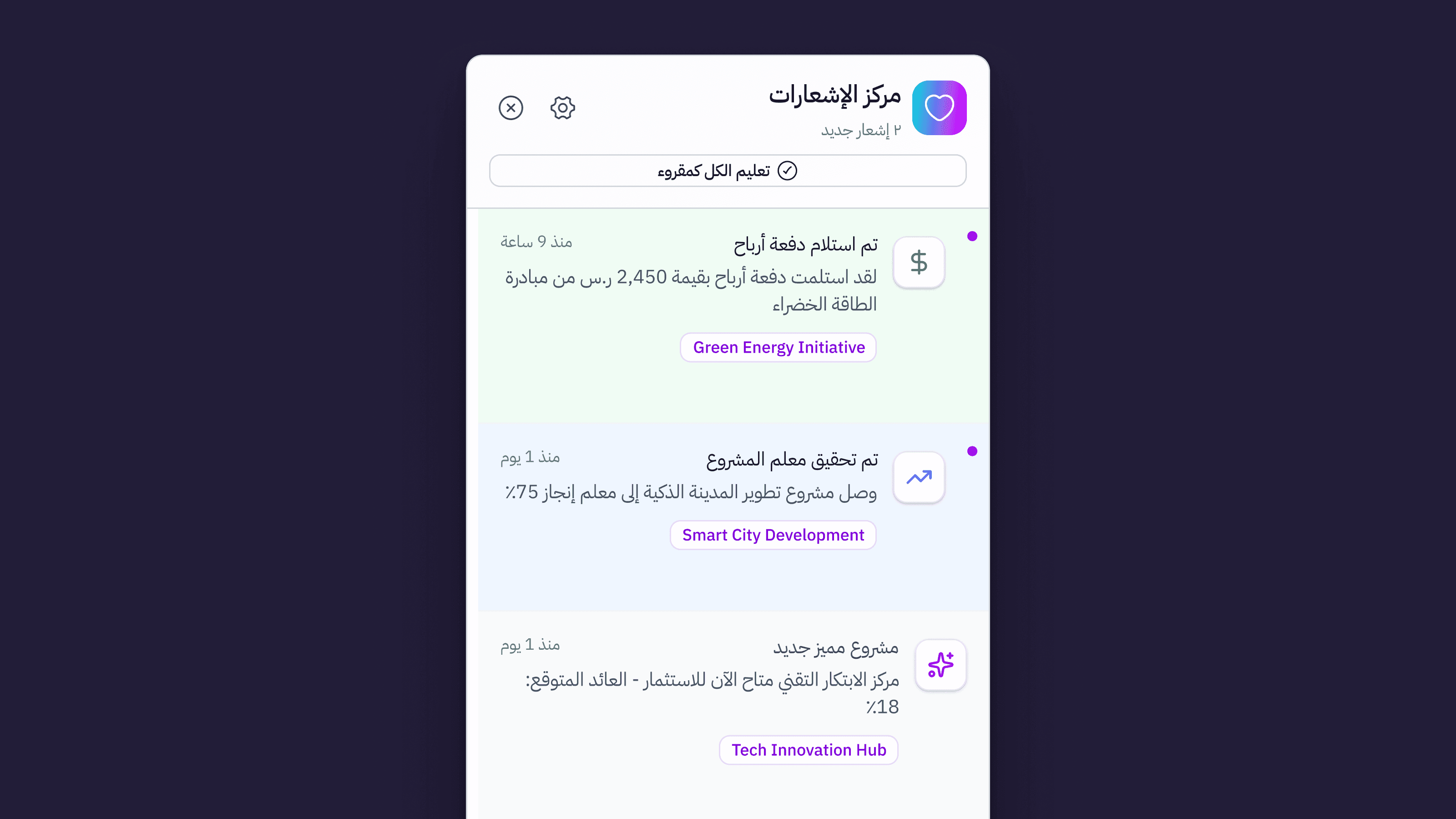
Shared components support right-to-left and left-to-right layouts, light and dark themes and responsive modes.
The outcome
The work was delivered as a design handoff, establishing connected investor and owner experiences and a shared design system.
Credits
Product design, UX and design system: Sayed Essam. Product and strategy: Mohamed Alaa, Reemya. Brand identity: Reemya.
The challenge
Making investment information understandable
Reemya’s brief was to make property investment understandable for Arabic-speaking investors, with a separate view for property owners. The design needed plain language, project details an investor can check before committing, and a buying flow with room to think.
The approach
I designed the product in Arabic first, using shared components for investor and owner workflows. The design system supports reading direction, themes and responsive layouts.
The experience
Clear investment language
The buying path uses the language of Sukuk, shares, price and return. A purchase modal brings the amount, total and confirmation together, with payment made by bank transfer.
Supporting documentation
A project badge opens its supporting documentation, including a reference, date, scholar and explanation of what was reviewed. The interface makes that material available for inspection.
A view for each role
Investors begin with their portfolio. Property owners begin with fundraising, investors, updates and analytics, with a guided flow for adding a project.
The design system
Shared components support right-to-left and left-to-right layouts, light and dark themes and responsive modes.
The outcome
The work was delivered as a design handoff, establishing connected investor and owner experiences and a shared design system.
Credits
Product design, UX and design system: Sayed Essam. Product and strategy: Mohamed Alaa, Reemya. Brand identity: Reemya.